Siding is the one part of a house that fails quietly. A roof leak shows up on a ceiling and you deal with it that week. Siding lets water in for years without a single drip anywhere you'd notice, because the damage happens inside the wall, on the sheathing, where nobody is looking.
By the time somebody opens that wall, the story is usually the same: a small gap or a cracked panel let water behind the siding, the sheathing stayed damp through a few Connecticut winters, and now the repair involves framing instead of panels. That's the expensive version.
The cheap version is catching it from outside. Siding gives you warning signs you can spot on a walk around the house, and none of them require a ladder or a moisture meter. Here are the five that matter most, and what each one usually means about the wall behind it.
Warped, Buckled or Cracked Panels
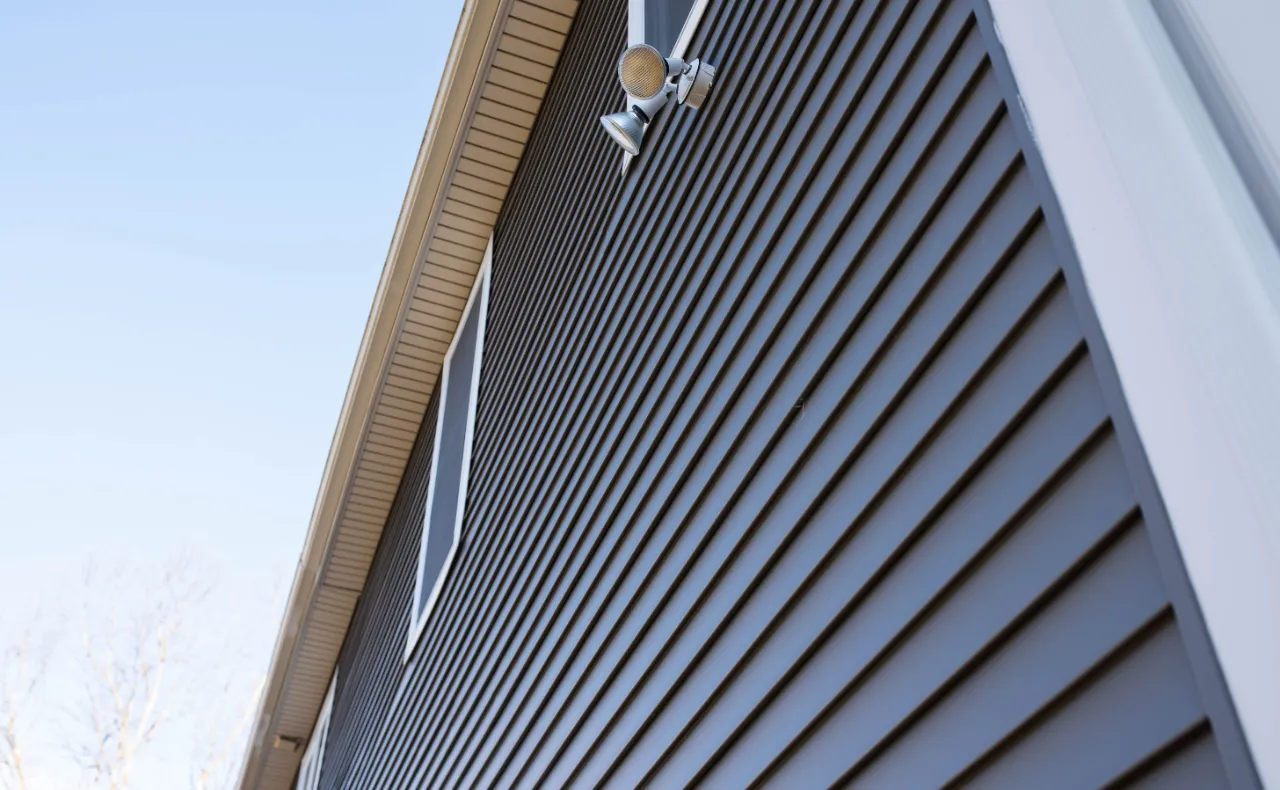
Walk the perimeter of the house and look down the length of each wall, not straight at it. From that angle, waves and bulges jump out immediately. Vinyl that's rippling usually means it was nailed too tight, or that heat has cycled it past what it can handle.
Cracks are more serious than they look. A crack is a direct path for water, and it doesn't take much. Rain hits the wall, runs into the crack, and sits against the sheathing where it can't dry.
Isolated cracks on one elevation can often be repaired panel by panel, especially if the siding is recent enough that matching material is still available. Cracking across several walls at once is usually age, and at that point replacement makes more sense than chasing individual panels every spring.
Paint That Will Not Hold
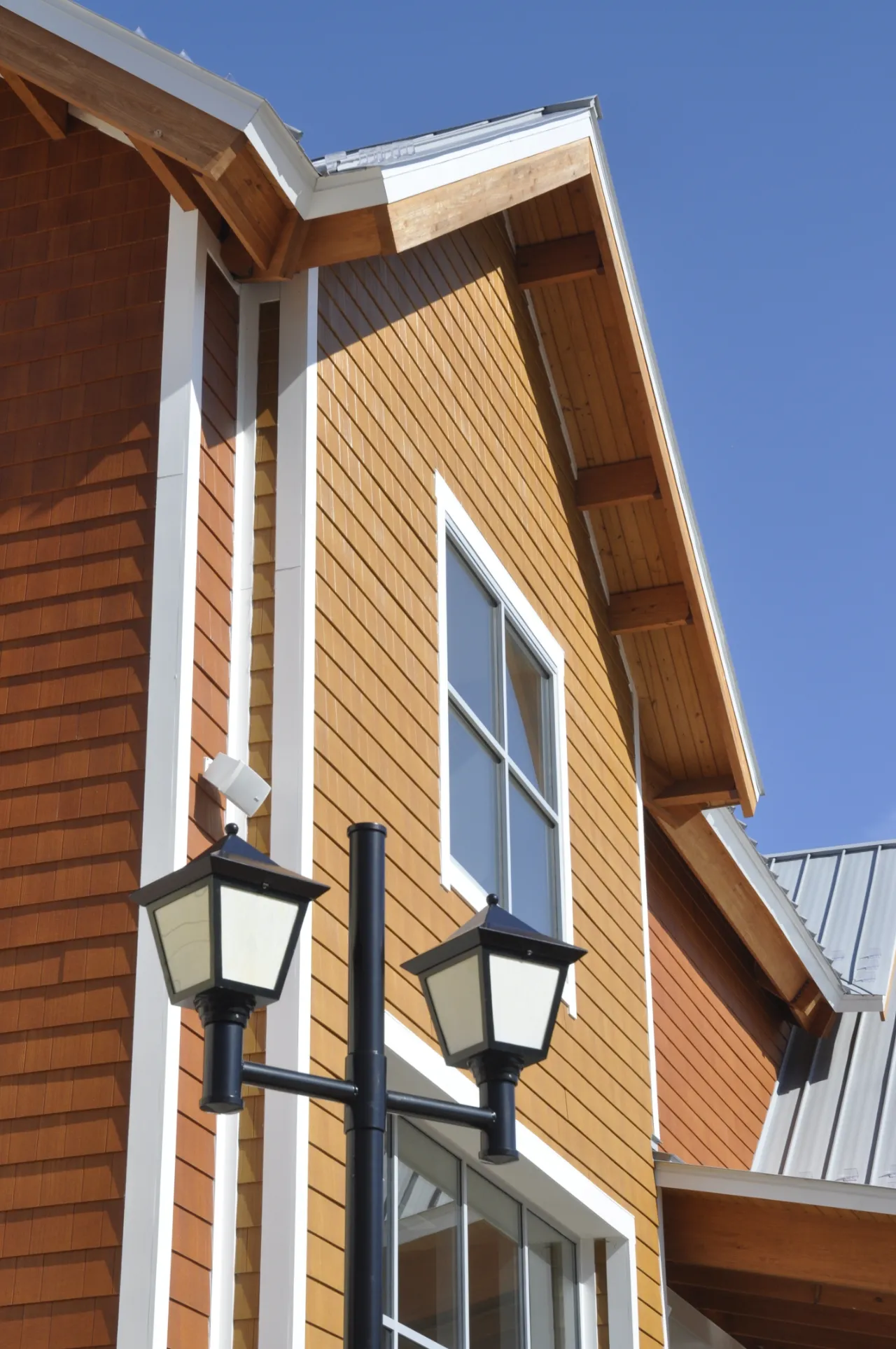
This one applies mostly to wood siding. If you painted three or four years ago and it's already peeling, the problem almost certainly isn't the paint. It's moisture coming through the wood from behind.
Paint fails from underneath when the siding is staying wet. That happens when there's no drainage plane behind the boards, when the caulk joints have opened up, or when the wood has absorbed enough water that it can't hold a film anymore.
Repainting at that point buys you another few seasons at best. The test is simple: press a thumbnail into the wood in a few spots, especially near the bottom edges and around windows. If it sinks in instead of resisting, the board is done and paint won't save it.
Soft Spots and Rot Behind the Siding
Press on the wall with the flat of your hand, working around windows, doors, and the lower two feet of every elevation. Those are the places water collects. A wall that gives, flexes, or sounds hollow has a sheathing problem behind it.
The bottom edge of the siding tells you a lot too. Look for dark staining, a spongy feel, or a gap where the panel has pulled away from the trim. Water gets in at these seams and works downward, so the damage is always worse below the spot you can see.
This is the sign that separates a cosmetic job from a structural one. Siding can be replaced quickly. Rotted sheathing has to come off first, and if the water reached the framing, that gets addressed as carpentry and rot repair before anything new goes back up.
Rising Bills and Clues Inside the House
Siding isn't insulation, but it protects the layer that is. When water gets into a wall cavity, wet insulation stops working, and the heating system runs longer to make up for it. A heating bill that climbed without a rate increase is worth investigating.
Inside, look at the walls that back onto the worst exterior elevation, usually the one facing the weather. Bubbling paint, a stain that reappears after rain, or wallpaper lifting at a seam are all signs that moisture is coming through from outside.
Mold or a musty smell in a closet on an exterior wall is the same story. None of these prove the siding is the cause, but combined with soft spots or cracked panels outside, they make a strong case for opening up a section and looking.