If you own a house here, you've probably wondered how long your roof has left. The short answer is that most asphalt shingle roofs in Connecticut last somewhere between 20 and 30 years. The longer answer depends on things that have very little to do with the number printed on the shingle wrapper.
A roof in this state takes a beating that a roof in a milder climate never sees. Snow sits on it for weeks. Ice backs up under the shingles at the eaves. Then in July the same deck runs hot enough to cook the underlayment from below. That freeze and bake cycle, repeated year after year, is what actually decides how long a roof lasts.
The good news is that roofs rarely fail without warning. They tell you first, in ways you can see from the driveway and from inside the attic. Here's what shortens a roof's life in Connecticut, what the warning signs look like, and how to tell whether you're looking at a repair or a replacement.
What a Connecticut Roof Deals With Every Year
Three things do most of the damage here, and none of them is the shingle itself. First is the freeze and thaw cycle. Water gets into a seam, freezes overnight, expands, and opens that seam a little wider. Do that a few hundred times and a tight roof isn't tight anymore.
Second is ice at the eaves. Heat escaping from the attic melts snow on the upper roof, the water runs down to the cold overhang, and it refreezes there. The ridge of ice that builds up forces water backward, uphill, under the shingles. Shingles shed water going down. They do nothing going up.
Third is heat. An attic without proper ventilation can run brutally hot in summer, and that heat ages the underlayment and the shingle adhesive from the underside. Two identical roofs, same shingles, same installer, will age differently if one attic breathes and the other doesn't.
Signs Your Roof Is Near the End
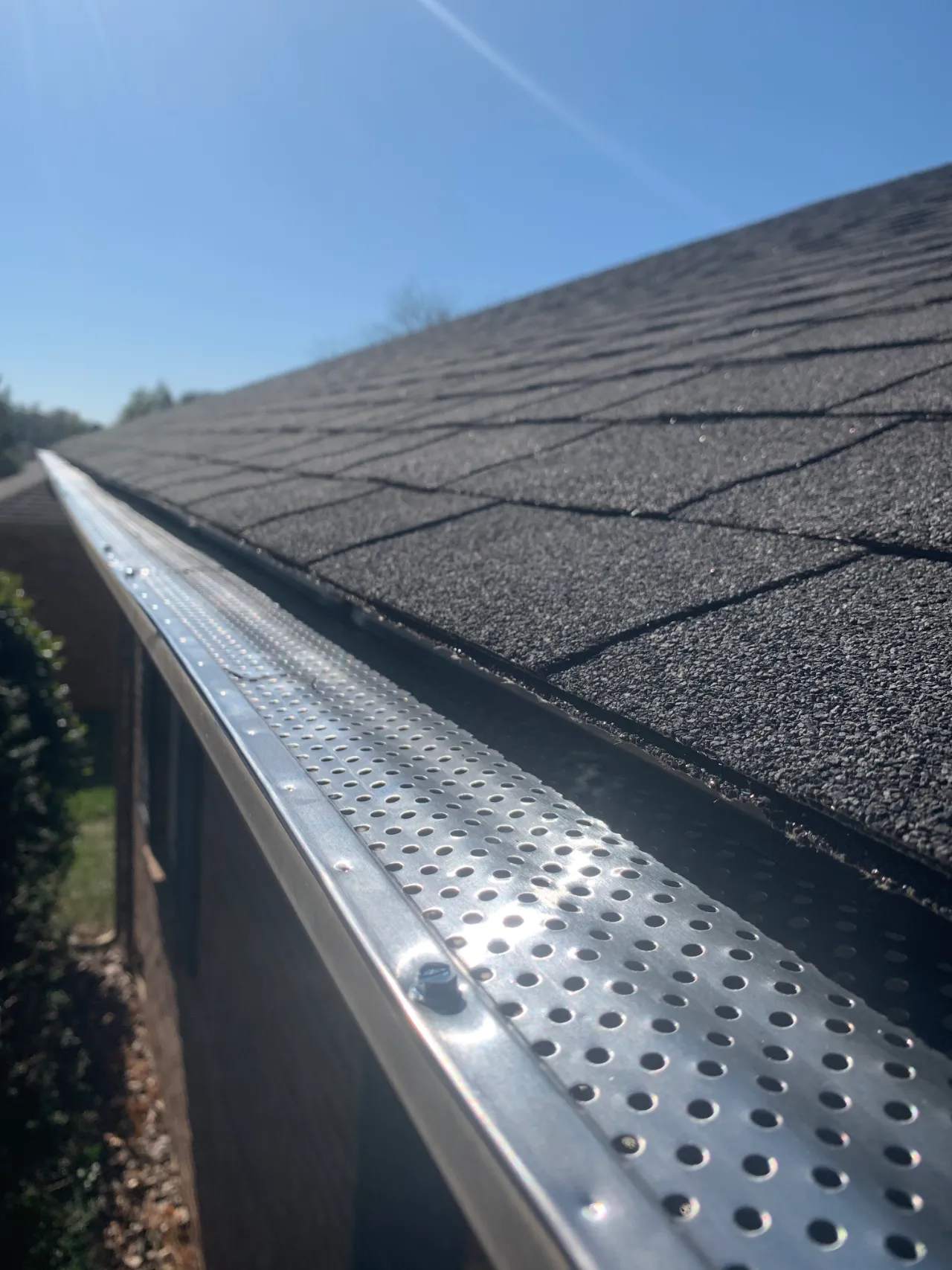
Start with the gutters. If you're finding a sandy grit in there, that's the granule layer washing off your shingles. Granules are the sunscreen. Once they're gone, the asphalt underneath dries out and cracks.
Then look at the roof from across the street, ideally in low morning light. Curled edges, cupped shingles, or shingles that look like they're lifting in a pattern all point to age rather than damage. Dark streaks are usually algae and are mostly cosmetic. Bald patches are not.
Inside, go up to the attic on a bright day with the lights off. Daylight coming through the deck boards is a problem. So are dark stains on the rafters, damp insulation, or a musty smell that shows up after rain. Any sag in the roofline seen from outside means the deck or the framing is involved, and that moves the conversation from repair to replacement quickly.
Repair or Replace: How to Decide
Age is the first filter. A roof under 15 years old with an isolated problem is usually a repair. A roof past 20 with widespread wear is usually a replacement, even if it isn't leaking yet.
The second filter is how localized the problem is. One valley, one slope, or the flashing around a chimney can be fixed on its own without touching the rest. A leak that shows up in two rooms on opposite ends of the house is telling you something more general.
The third filter is the deck. If the plywood under the shingles has gone soft, no new shingle is going to fix it, because fasteners won't hold in wet wood. That's the point where a repair becomes money spent twice. A good contractor will show you photos of the deck before recommending either option, and you should ask for them if they aren't offered.
What Makes a Roof Last Longer
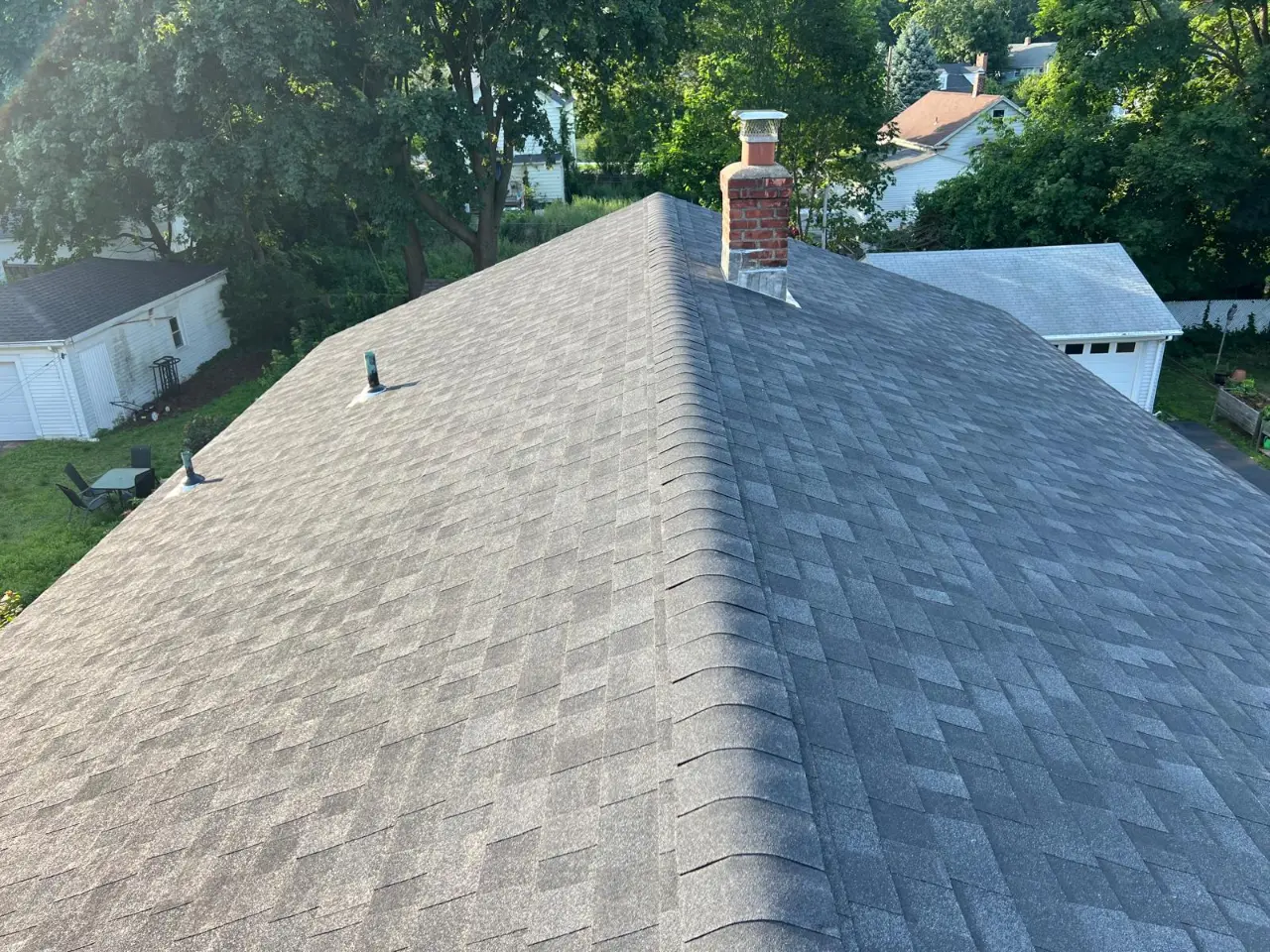
Ventilation matters more than most homeowners expect. Intake at the soffit and exhaust at the ridge lets the attic breathe, which keeps the deck cooler in summer and reduces ice buildup in winter. A roof over a sealed, unvented attic ages faster no matter what shingle went on it.
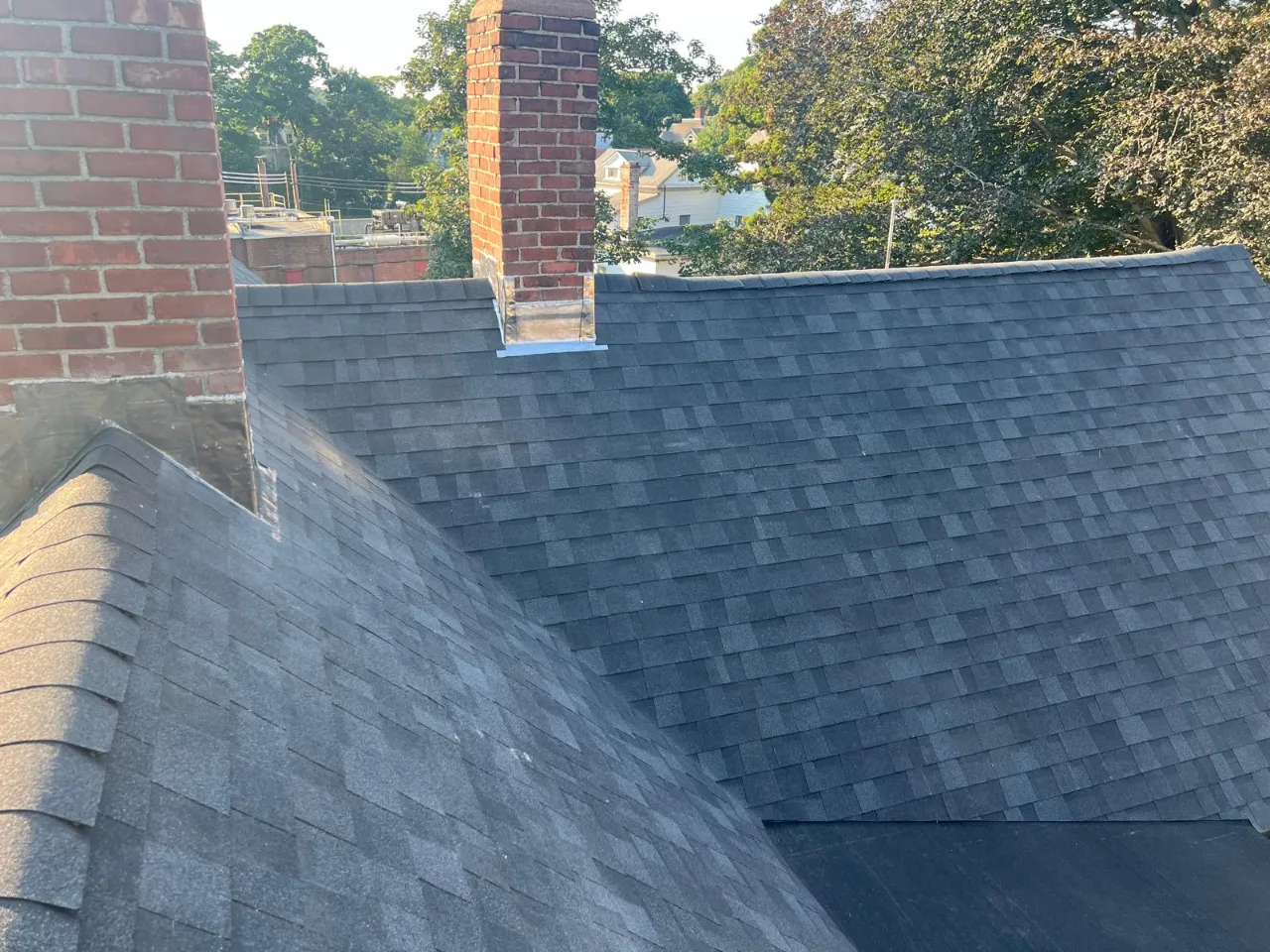
Flashing is the other one. Most leaks in Connecticut homes don't start in the middle of the roof. They start at the chimney, the skylight, the valley, or where a lower roof meets a wall. Flashing done properly with step and counter flashing lasts. Flashing done with a tube of caulk fails in a couple of seasons.
After that it's just attention. Clear the valleys of leaves, keep the gutters flowing so water isn't backing up at the eaves, and have someone look at the flashing every few years. None of that is expensive. All of it buys time.